What Is the 60-30-10 Color Rule?
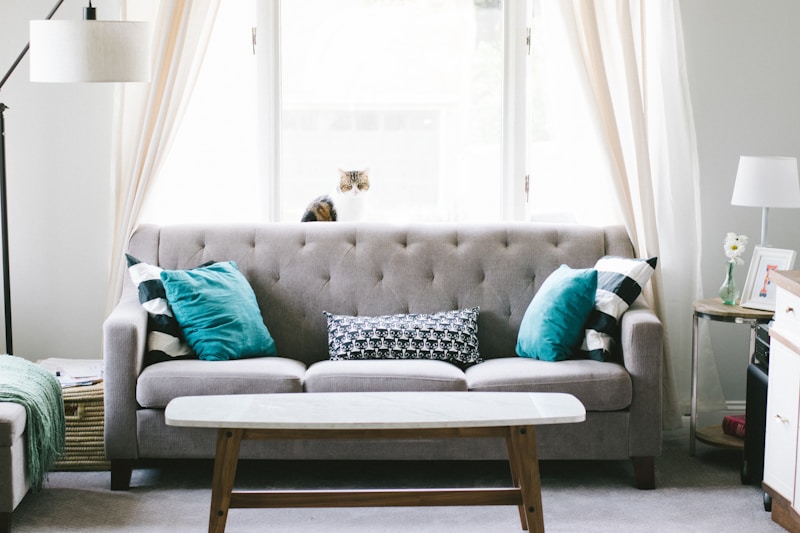
The 60-30-10 rule is one of the most practical formulas in interior design for creating rooms that feel visually balanced and cohesive. It describes how to distribute color throughout a room in a proportion that is neither too monotonous nor too chaotic — a proportion that has proven itself across decades of professional design work.
The Formula Explained
The dominant color — 60 percent — covers the largest surfaces in the room: walls, large area rug, or major upholstered pieces like the sofa. This is the color that sets the overall mood of the space. The secondary color — 30 percent — covers the next largest elements: accent chairs, curtains, and bedding. The accent color — 10 percent — appears in accessories, throw pillows, artwork, and small decorative objects.
Why This Proportion Works
The 60-30-10 distribution prevents any one color from becoming overwhelming while ensuring the room has a clear dominant direction. The 10 percent accent is small enough to be changed with minimal cost if you want to refresh the room — swap out the throw pillows and accessories in a new accent color and the room feels completely different without any major purchases.
Applying It in a Real Room
In a living room with a navy dominant color (60 percent on the walls and main rug), warm linen secondary color (30 percent on the sofa and curtains), and brass accent (10 percent in lamps, frames, and hardware), the rule produces a sophisticated, balanced palette that holds together because every element belongs to one of the three defined color roles.