The Basics of Interior Design for Beginners
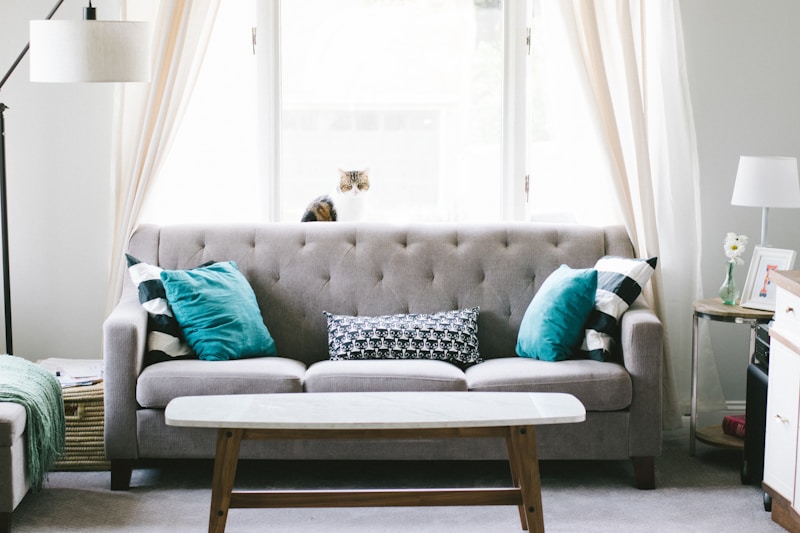
Interior design can seem like an arcane art accessible only to trained professionals, but its foundational principles are actually straightforward and learnable. Once you understand a few basic concepts, you can apply them to any room and consistently produce spaces that feel designed rather than accidental.
Every Room Needs a Focal Point
The focal point is the first thing your eye goes to when you enter a room. In rooms with a fireplace, large window, or dramatic architectural feature, the focal point is given. In rooms without these, it is created — through a feature wall, a large piece of art, or the intentional arrangement of furniture around a television. Arranging furniture to face the focal point gives the room direction and makes the layout feel logical.
Balance Visual Weight
A room that feels uncomfortable often has a balance problem — too much visual weight on one side (heavy, dark furniture and art) and not enough on the other (empty walls, pale furniture). Balance does not mean symmetry — a large sofa on one side balanced by two smaller chairs on the other achieves balance asymmetrically. Think of it as visual weighing scales: both sides should feel roughly equivalent in visual weight even if the arrangements are different.
Connect Everything With Color
In a cohesive room, a color or finish from one element appears in at least two other places in the room. The blue in the area rug appears in the throw pillows. The brass of the lamp base appears in the picture frame and the cabinet hardware. These color connections create a sense that the room was designed as a whole rather than assembled piece by piece.