Interior Design Terms Every Homeowner Should Know
Interior design has its own vocabulary, and understanding the key terms helps you communicate more clearly when working with designers, reading about design, or making decisions about your own home. Here are the most useful design terms for everyday homeowners.
Scale and Proportion
Scale refers to the size of an object relative to the space and other objects around it. A sofa is the right scale for a room when it feels appropriately sized — not too small and floating in the space, not so large it dominates everything. Proportion refers to the relationship between parts of the same object: a chair with legs that are too short relative to its back, for example, is out of proportion.
Visual Weight
Visual weight is how heavy or light an object appears regardless of its actual weight. A large, dark, solid sofa has high visual weight; a glass coffee table with a slim metal frame has low visual weight. Balancing visual weight across a room — not clustering all the heavy pieces on one side — creates a sense of equilibrium that most people find comfortable.
Rhythm and Repetition
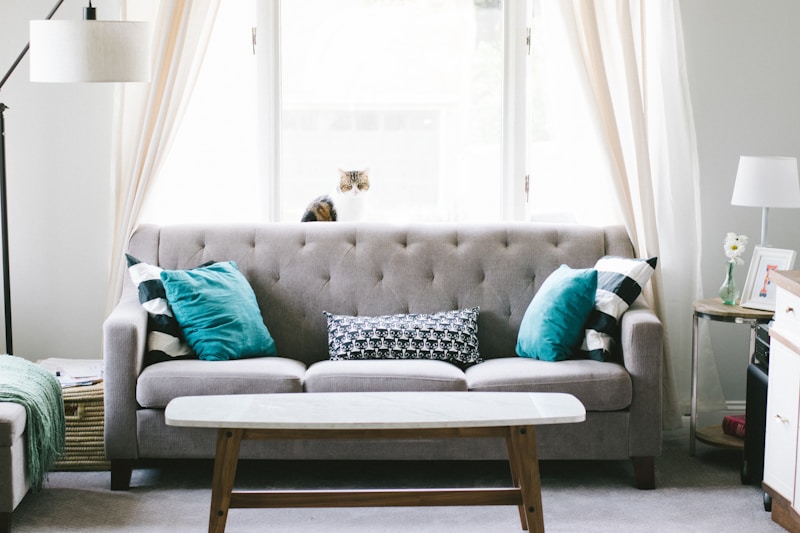
Visual rhythm in interior design is created by repeating elements throughout a room: the same color appearing in the rug, the curtains, and a throw pillow; the same material appearing in the lamp base and the picture frame. Repetition connects disparate elements and makes a room feel intentionally designed rather than randomly assembled.
Negative Space
Negative space is the empty space in a room — the area not occupied by furniture or objects. Adequate negative space is what prevents a room from feeling crowded or cluttered. Experienced designers often resist the urge to fill space, recognizing that breathing room is a design element with its own value.