How to Choose the Right Scale Furniture for Your Room
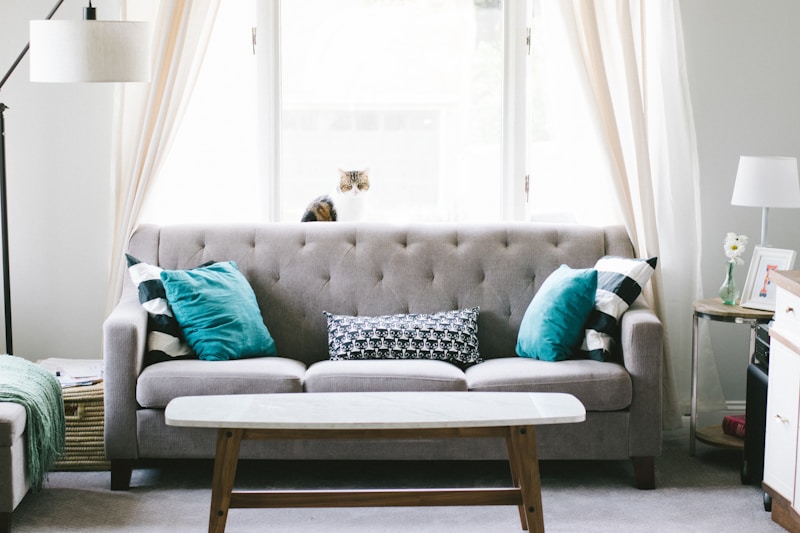
Furniture scale is the single most common decorating mistake in residential interiors. Most rooms either have furniture that is too small — the classic error of choosing a sofa that floats in the center of a large room with empty space all around it — or furniture that is too large, overwhelming the space and blocking natural circulation. Learning to evaluate furniture scale before you buy prevents expensive mistakes.
The Floor Plan Test
The most reliable way to evaluate furniture scale before purchase is to draw a floor plan of your room on graph paper at a consistent scale — one square equals one foot is common — and draw the furniture you are considering at the same scale. This immediately reveals whether the furniture will fit, where it will go, and how much empty floor space remains. It takes 30 minutes and saves hours of furniture returns.
Ceiling Height Changes Everything
Furniture that looks perfectly scaled in an eight-foot-ceiling room can look stunted in a ten-foot-ceiling room. Taller ceilings allow and even require larger, taller furniture to maintain appropriate proportion. A six-foot bookshelf looks impressive against an eight-foot ceiling; the same bookshelf looks undersized against a twelve-foot ceiling and leaves an uncomfortably large expanse of wall above it.
Avoid the Matched Set Trap
Complete furniture sets sold by retailers are designed to look balanced in a store showroom, not in your specific room. The bedroom set designed for a large showroom often overwhelms a standard 12-by-12-foot bedroom. Buying individual pieces that you have evaluated for your specific room dimensions is almost always a better approach than purchasing a matched set.