The Rule of Three in Interior Design
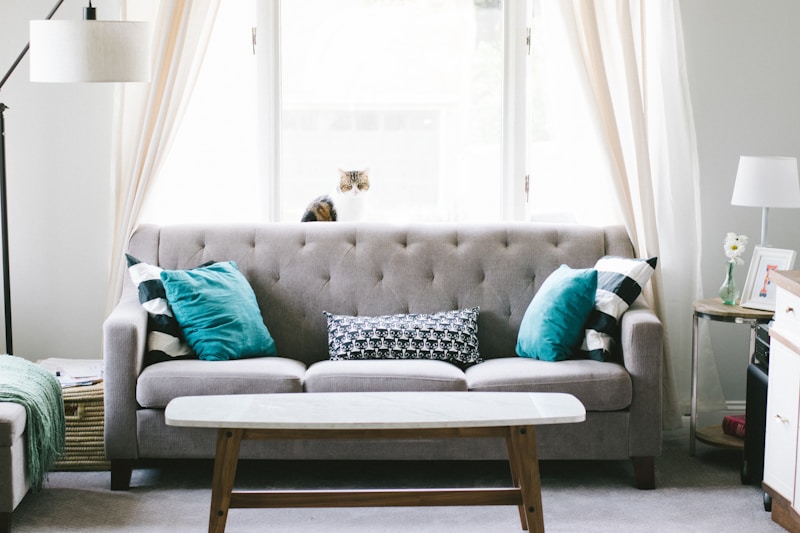
The rule of three is one of the most widely used and consistently effective principles in interior design, as well as in visual art, photography, and composition generally. The principle holds that arrangements of three elements are more visually interesting, balanced, and pleasing than arrangements of two or four. Understanding why it works and how to apply it gives you an immediately usable tool for styling any surface in your home.
Why Three Works
Two objects create a static, symmetrical relationship — the eye sees them as a matched pair and moves on quickly. Four objects tend to separate into two pairs. Three objects cannot be reduced to pairs, so the eye continues to travel between them, creating more dynamic visual interest. Three objects also naturally create a sense of height variation when one is taller, one is medium, and one is lower — the diagonal implied by these three heights is inherently pleasing to the eye.
Applying the Rule on a Coffee Table
A coffee table styled with three groups — a stack of books, a small plant or vase, and a decorative object — looks intentional and complete. Vary the heights dramatically: the tallest element should be roughly twice the height of the shortest. Leave some empty space on the table — the rule of three is about creating a considered grouping, not filling every inch of surface.
On a Mantle and Shelves
Style a mantle with three key elements at dramatically different heights. On shelves, group objects in clusters of three rather than distributing them evenly across the shelf. Each cluster becomes its own vignette, and the variation between clusters creates visual rhythm.