Open Shelving in the Kitchen: Pros and Cons
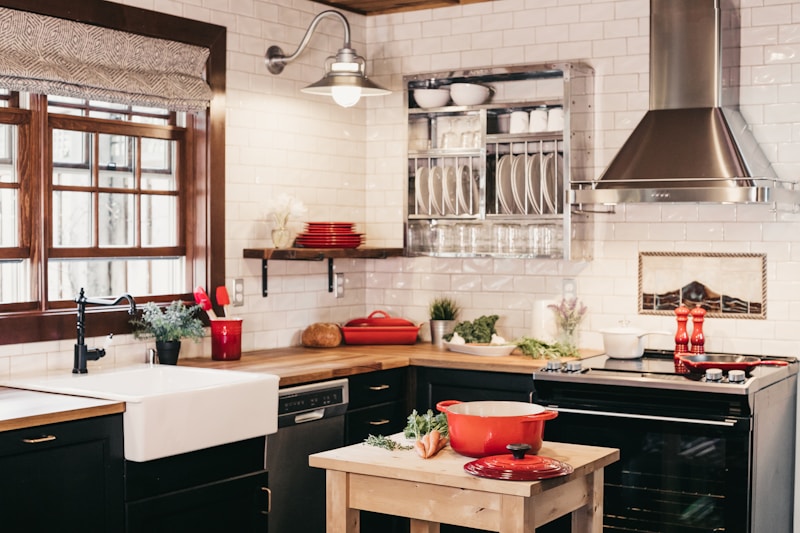
Open kitchen shelving has been one of the most polarizing design trends of the past decade. Advocates love the open, airy look and the accessibility. Critics point to the constant cleaning and the pressure to keep everything displayed perfectly. The reality is that open shelving works beautifully for some households and is a maintenance nightmare for others.
The Case For Open Shelving
Open shelves make a kitchen feel larger and less boxy by removing the visual bulk of upper cabinets. They force you to be selective about what you keep — which is genuinely useful as a decluttering mechanism. Items you use every day are more accessible, and a curated open shelf of beautiful dishes, glass jars, and plants can be genuinely stunning.
The Case Against
Grease and cooking vapor settle on everything in a kitchen — on open shelves, this means your dishes need to be washed before use even if they have not been used recently. If you cook frequently with oil or fry foods, open shelving directly above or near the stove will require weekly cleaning. For households with children, open shelves mean accessible breakables and frequent reorganization.
The Compromise: Partial Open Shelving
The most practical approach for most households is a hybrid — replace only the upper cabinets on one wall with open shelves while keeping the rest as closed cabinets. Display attractive items on the open shelves and hide the utilitarian items behind closed doors. You get the visual benefit without the full maintenance commitment.