How to Create a Low-Maintenance Garden
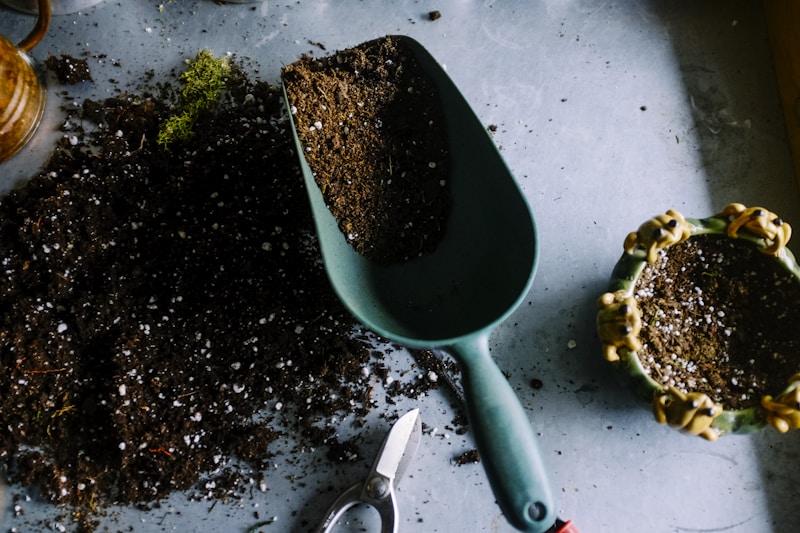
A low-maintenance garden is not a boring garden — it is a smart garden designed around plants and materials that require minimal ongoing intervention. The most beautiful and productive gardens are often the ones designed to work with the local climate, soil, and light conditions rather than against them. Here is how to create a garden that looks great without consuming your weekends.
Choose Native Plants
Native plants — species that evolved in your specific region — are the foundation of a low-maintenance garden. They are adapted to local rainfall patterns, soil chemistry, and temperature extremes, which means they typically need no supplemental watering once established, no fertilizing, and minimal pest management. They also provide habitat for local birds and pollinators, making the garden a functioning ecosystem.
Mulch Deeply and Consistently
A three to four inch layer of organic mulch — wood chips, shredded bark, or composted leaves — over all planted areas eliminates 80 to 90 percent of weed pressure, retains soil moisture, moderates soil temperature, and slowly decomposes to improve soil quality. This single practice eliminates most of the ongoing maintenance labor in a garden. Replenish mulch annually.
Perennials Over Annuals
Annual plants that must be replanted each year require significant ongoing time and money. A garden built primarily on perennials — plants that return each year and typically spread over time — requires a higher initial investment but almost no replanting effort in subsequent years. A well-chosen mix of perennials provides continuous seasonal interest with minimal intervention.