Kitchen Color Schemes That Work Together
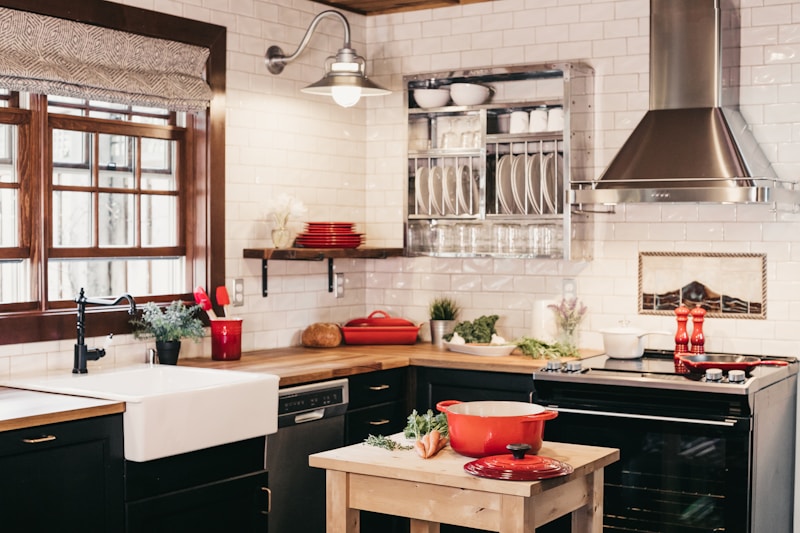
A kitchen color scheme involves more surfaces than most people initially consider: cabinet color, countertop color, backsplash color, flooring color, appliance finish, and hardware finish. Getting all these elements to work together without looking mismatched or dull requires understanding a few principles of color coordination.
Start With the Fixed Elements
If you are not replacing your countertops or flooring, start your color scheme with those fixed elements. Everything else should complement them. If you have warm beige countertops and medium wood-tone flooring, your cabinet color choices are constrained to warm tones — cool blues and grays will clash. Understanding your starting point prevents expensive mistakes.
Two Tones: The Cabinet Strategy
Two-tone kitchens — upper cabinets in one color and lower cabinets in another — have proven one of the most durable design approaches of the past decade. White upper cabinets keep the space feeling light and open; colored lower cabinets add personality and ground the space. Navy, sage green, charcoal, and hunter green are all proven lower cabinet choices that age well.
Hardware as the Accent
Hardware finish is the accent in a kitchen color scheme — the 10 percent color that pulls everything together. Brass hardware warms up cool-toned kitchens and adds a vintage note. Matte black is the most universally flattering hardware finish and works in both contemporary and traditional kitchens. Brushed nickel is the cleanest, most neutral option.