How to Mix Patterns Without It Looking Busy
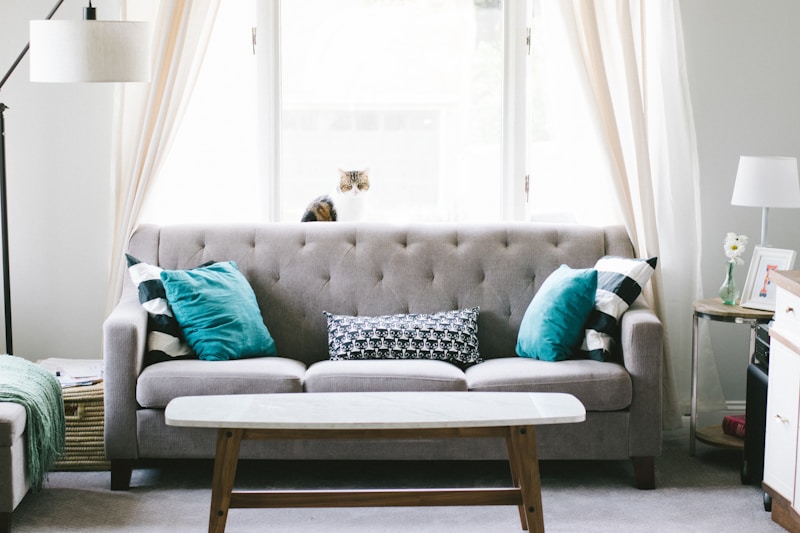
Mixed patterns in a room add visual richness and personality that solid colors alone cannot provide. But pattern mixing intimidates many decorators because the line between rich and chaotic can be difficult to see. There is actually a reliable method for mixing patterns successfully that designers use across all styles and settings.
Vary the Scale of Patterns
The first and most important rule of pattern mixing is to vary the scale — the size of the pattern repeat. A large-scale pattern (a bold geometric or oversized floral) should be paired with a medium-scale pattern and a small-scale pattern (a thin stripe, small check, or subtle texture). When all patterns in a room are the same scale, they compete with each other and create visual noise.
Share at Least One Color
Patterns that share at least one color will always work together, even if they are very different in style or scale. A large-scale botanical in green and cream can coexist beautifully with a small-scale check in green and white and a stripe in cream and navy because the green and cream threads all three together.
One Pattern Should Dominate
Even in a pattern-rich room, one pattern should be the star — the one that appears in the largest amount and sets the visual direction. This is usually the upholstery fabric on the main sofa or the primary curtain fabric. All other patterns support and complement this dominant choice rather than competing with it.