How to Install New Light Fixtures
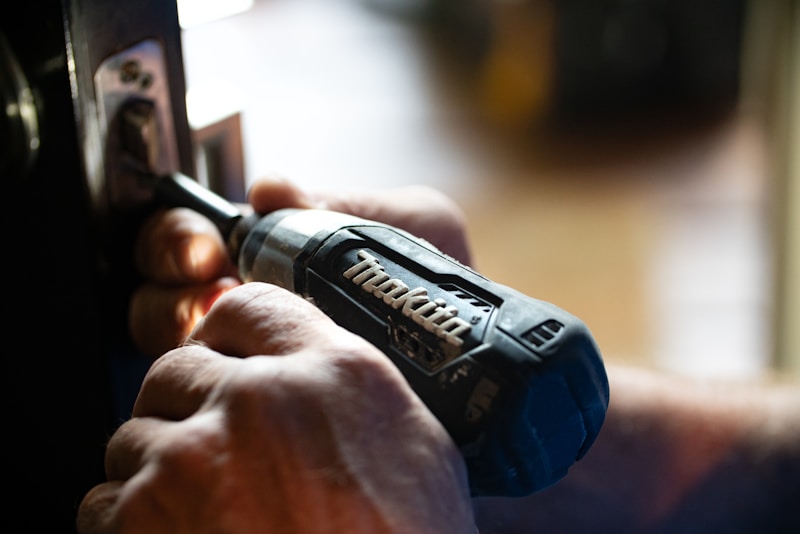
Replacing a dated light fixture is one of the highest-impact, most achievable DIY electrical projects. It requires turning off a circuit breaker and connecting three wires — tasks well within the ability of anyone willing to follow instructions carefully and respect the one cardinal rule: always verify the power is off before touching any wires.
Safety First: Turn Off the Power
Turn off the circuit breaker for the fixture you are replacing. Then use a non-contact voltage tester — a $15 tool available at any hardware store — to verify that the power is truly off before removing the old fixture. Do not rely on the light switch alone; the switch cuts power to the fixture but the switch loop itself may still be live. The voltage tester removes all ambiguity.
Understanding the Three Wires
Most residential light fixture installations involve three wires: black (hot/live), white (neutral), and bare copper or green (ground). The black wire from the house connects to the black wire from the fixture. The white connects to white. The ground wire connects to the fixture's ground. This connection is the same for virtually every standard light fixture, making the project very repeatable once you have done it once.
When to Call a Professional
Call a licensed electrician if the wiring in the box is not straightforward — if there are multiple sets of wires, aluminum wiring instead of copper, or if the box itself is not secured properly to the ceiling structure. These situations exist in older homes and require professional assessment.