How to Choose the Right Kitchen Countertops
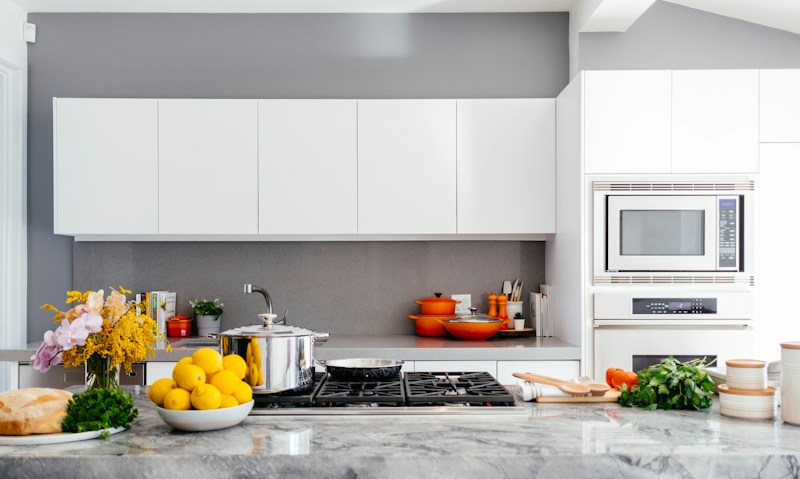
Kitchen countertops take more abuse than almost any other surface in your home — hot pots, sharp knives, spilled liquids, and daily cleaning. Choosing the right material means balancing beauty, durability, maintenance requirements, and budget. There is no single best countertop material — only the best material for your specific lifestyle and priorities.
Quartz: The Practical Choice
Engineered quartz is the most popular kitchen countertop material for good reason. It is non-porous, meaning it does not require sealing and resists staining from wine, coffee, and oil. It is also consistent in color and pattern, unlike natural stone, and is available in hundreds of designs that mimic marble and granite beautifully. The main limitation is heat — quartz can be damaged by very hot pots placed directly on it.
Granite: Natural and Heat-Resistant
Granite is a natural stone that is genuinely heat-resistant and highly durable. Each slab is unique, which appeals to those who love natural variation. The trade-off is maintenance — granite is porous and must be sealed annually or more frequently to prevent staining. It is generally priced similarly to quartz.
Butcher Block: Warmth and Functionality
Wood butcher block countertops add warmth and an organic quality that no other material can match. They are excellent for food prep and can be sanded and refinished if they develop deep scratches or stains. The main limitation is moisture sensitivity — they must be kept dry and oiled regularly to prevent warping and cracking.