How to Build a Raised Garden Bed
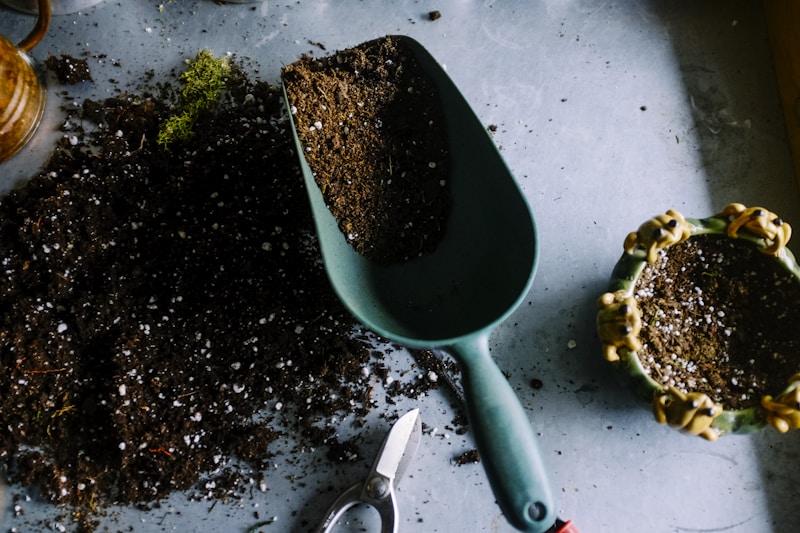
A raised garden bed solves several of the most common gardening problems simultaneously: poor native soil quality, poor drainage, back-breaking ground-level work, and pest access. Building one is an achievable DIY project that requires only basic carpentry skills and a few hours of weekend time.
Material Options
Cedar is the most popular material for raised garden beds because it is naturally rot-resistant without chemical treatment and will last 10 to 20 years in contact with soil. Untreated pine is the least expensive option but will deteriorate within 3 to 5 years. Composite lumber lasts indefinitely and is made from recycled material, but is significantly more expensive. Avoid pressure-treated lumber near food crops — the preservatives, while modern and safer than older formulations, are still not something you want in food-growing soil.
Ideal Dimensions
A raised bed should be no wider than four feet — the distance you can comfortably reach to the center from either side without stepping into the bed. Length can be whatever suits your space, but common lengths of 4, 8, and 12 feet align with standard lumber dimensions and minimize waste. Height of 12 inches is sufficient for most vegetables; 18 to 24 inches makes working the bed much more comfortable and necessary for deep-rooted crops like carrots and parsnips.
Fill With Quality Soil
The soil in a raised bed is entirely under your control, which is one of its greatest advantages. Fill with a mix of approximately 60 percent topsoil, 30 percent compost, and 10 percent perlite or coarse sand for drainage. This combination provides excellent fertility, drainage, and root environment for virtually any vegetable or flower crop.