Design Principles That Make Rooms Look Bigger
Making a room feel larger than it actually is requires understanding how the eye perceives space and deliberately manipulating those perceptions. Designers use a consistent set of principles to create the illusion of spaciousness in rooms of any size. These principles work independently and are even more powerful when applied together.
Light Colors on Walls and Ceiling
Light colors reflect more light and appear to push walls back, making a room feel more expansive. This does not mean every room must be white — warm light grays, pale blues, and soft creams all create this expansive effect. Painting the ceiling the same color as the walls, or slightly lighter, prevents the ceiling from feeling like a lid clamped down on the space.
Continuous Flooring Without Visual Interruption
Floors that run in one direction throughout a room with consistent color and texture make the space read as larger than floors with multiple materials, color changes, or busy patterns. Installing hardwood floors at an angle — 45 degrees to the walls — is a classic trick that makes rectangular rooms feel wider and more open.
Furniture Scale and Leg Visibility
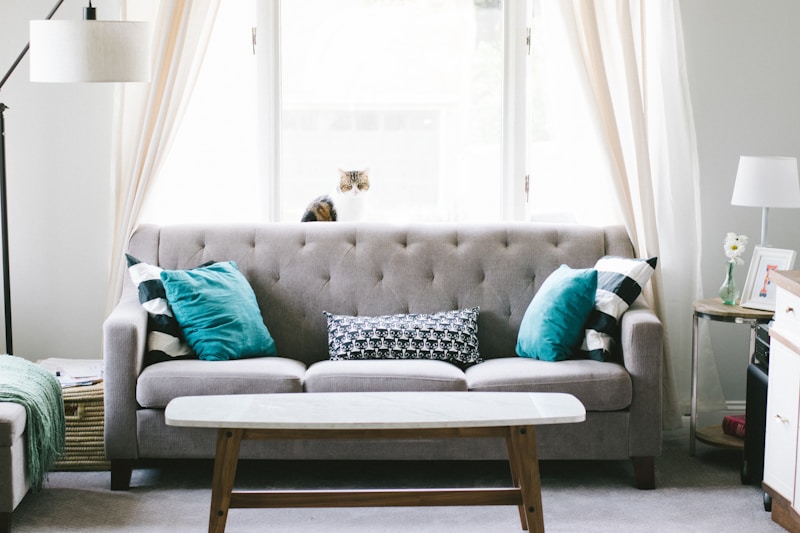
Furniture that sits on visible legs allows you to see the floor beneath it, which increases the perceived square footage of the room. A sofa on four legs in the same room as a sofa that goes to the floor will make the space feel notably more open, even if the actual footprint of the two sofas is identical.