Container Gardening Ideas for Small Spaces
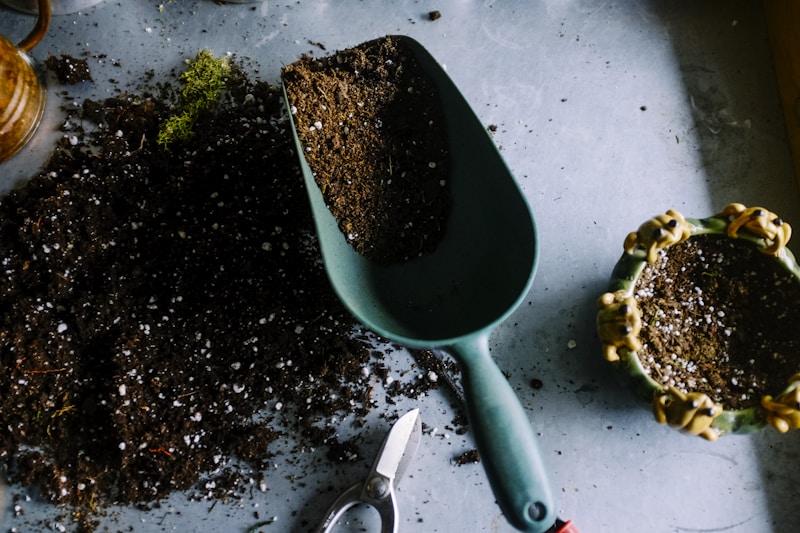
Container gardening is the perfect solution for people who want to grow plants but have limited space — whether a small balcony, a paved patio, a front stoop, or a tiny backyard. Containers also offer significant advantages over in-ground gardening: you control the soil completely, you can move plants to optimize sunlight, and you can bring tender plants indoors in cold weather.
Choose Containers That Hold Moisture
The biggest challenge in container gardening is moisture management. Smaller containers dry out quickly in warm weather, sometimes requiring daily watering. Choose containers that are larger than you think you need — a 12-inch pot minimum for most vegetables and flowering perennials, and 16 to 24 inches for tomatoes, peppers, and larger flowering shrubs. Glazed ceramic and plastic containers retain moisture far better than terracotta.
Thriller, Filler, Spiller Formula
Professional nursery designers use a simple formula for container arrangements: one tall, dramatic plant (the thriller), one mounding plant that fills in the middle (the filler), and one trailing plant that spills over the edge (the spiller). This combination creates a visually complete arrangement that looks professional and grows attractively throughout the season.
Vegetables That Thrive in Containers
Not all vegetables perform equally well in containers. Tomatoes, peppers, lettuce, spinach, herbs, radishes, and green onions all produce excellent results in containers. Corn, pumpkins, and sprawling squash varieties are generally not practical for container growing. Bush varieties of tomatoes and beans that do not require staking are usually better choices than vine types.