How to Choose the Best Bedroom Colors for Sleep
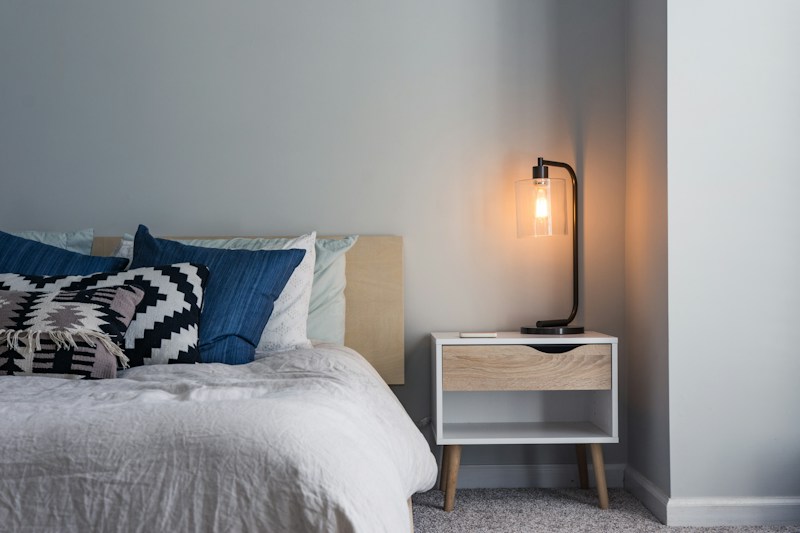
The color of your bedroom walls has a measurable effect on your ability to fall and stay asleep. This is not interior design mythology — color psychology research consistently shows that certain hues slow heart rate, lower blood pressure, and signal the brain to shift toward relaxation. Choosing the right bedroom color is one of the most effective non-pharmaceutical sleep improvements available.
Blue: The Most Sleep-Friendly Color
Blue is consistently ranked as the color most conducive to sleep. Specifically, soft, muted shades of blue — powder blue, dusty blue, slate blue — have shown in studies to reduce heart rate and blood pressure. Avoid very saturated or bright blues, which can feel more stimulating than calming.
Soft Gray-Green and Sage
Colors in the green-gray family are calming without the coolness that can make a bedroom feel sterile. Sage green in particular has an earthy, natural quality that many people find deeply restful. It pairs beautifully with white and natural wood tones for a bedroom that feels like a retreat.
Colors to Avoid
Red, bright orange, and highly saturated yellow are the most disruptive bedroom colors from a sleep perspective. They are associated with alertness, energy, and stimulation — which is the opposite of what you want in a bedroom. Even if you love these colors, they are better reserved for other rooms in the house.