Bedroom Lighting Ideas for Better Sleep
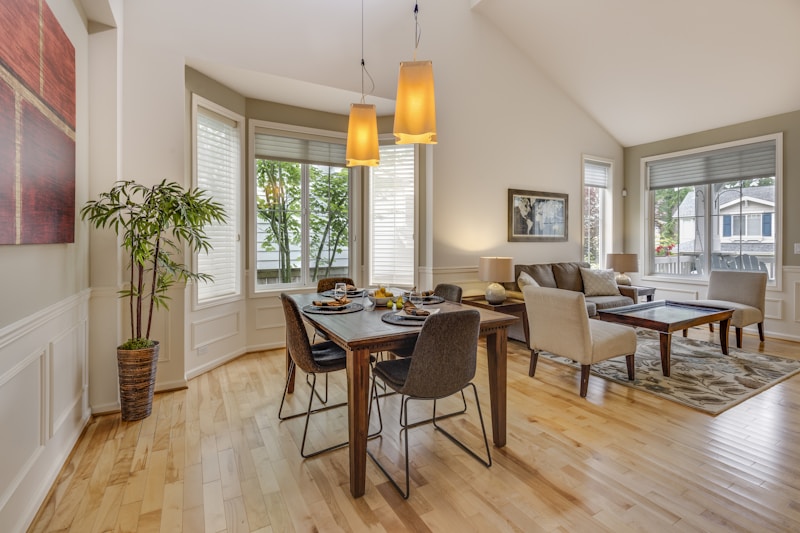
Bedroom lighting affects sleep quality more directly than almost any other design element. The light in your bedroom signals your circadian rhythm throughout the day — bright cool light in the morning helps you wake up, warm dim light in the evening signals it is time to wind down. Getting bedroom lighting right is both a design decision and a health decision.
Separate Overhead and Bedside Lighting
A single overhead ceiling light that floods the room with bright light at all times is the enemy of good bedroom lighting. Put the overhead light on a dimmer — or eliminate it entirely — and rely instead on bedside table lamps or wall sconces for evening reading and wind-down. This gives you the ability to have bright light when getting dressed and warm, dim light when preparing for sleep.
Choose Warm Bulbs for Bedside Lamps
Bulb color temperature is measured in Kelvins. For bedroom bedside lamps, choose bulbs in the 2700K to 3000K range — this is the warm, amber-ish light that is most conducive to relaxation and melatonin production. Bulbs above 4000K — the cool, blue-white light — are stimulating and appropriate for task areas but not for a bedroom.
Consider Blackout Curtains Alongside Lighting
Even the best bedside lighting plan is undermined if the room cannot be made dark for sleep. Blackout curtains or cellular shades that block streetlight and morning sun are an essential companion to good bedroom lighting design. Darkness is the most powerful sleep signal your bedroom can provide.